
Guide
Connecticut roofing rules, in plain language
The Connecticut rules that matter most when you replace a roof, each with a link to the source. This is a summary, not legal advice. Read the linked text, and ask the building department for your address how it applies.
The rules at a glance
Registration
Roofs are named in the Home Improvement Act's definition of home improvement (C.G.S. 20‑419), and contractors must hold a certificate of registration from the Department of Consumer Protection (C.G.S. 20‑420). DCP says every roofing company needs an active Home Improvement Contractor registration (DCP, July 2025).
Look-up
Search a contractor by name or registration number on eLicense at elicense.ct.gov. DCP says the details should match the contact information on the company's website.
Not an endorsement
A registration is not DCP's endorsement of the company's work, and a contractor may not claim it is (C.G.S. 20‑427(b)(6)).
Written contract
The contract must be in writing, signed by both parties, contain the entire agreement, the date, the contractor's name, address and registration number, start and completion dates and a notice of cancellation rights. Changes must also be in writing and signed (C.G.S. 20‑429).
Three business days
Each home improvement contract is treated as a home solicitation sale, wherever it is signed (C.G.S. 20‑429(e)), so you can cancel until midnight of the third business day after the transaction (C.G.S. 42‑135a). DCP notes Saturday counts as a business day.
Permits first
No contractor may start work until each required building permit has been obtained (C.G.S. 20‑427(i)).
The Home Improvement Guaranty Fund
Connecticut keeps a Home Improvement Guaranty Fund, paid into by registered contractors. If you win a court judgment or a binding arbitration award against a contractor that was registered, and it goes unpaid, you can apply to the Commissioner of Consumer Protection for payment from the fund, within the limits set in the statute (C.G.S. 20‑432).
The key word is registered. DCP points out that consumers may be eligible for reimbursement from the fund on projects with an actively registered contractor (DCP). Hiring an unregistered company gives that protection up.
Permits in Norwalk
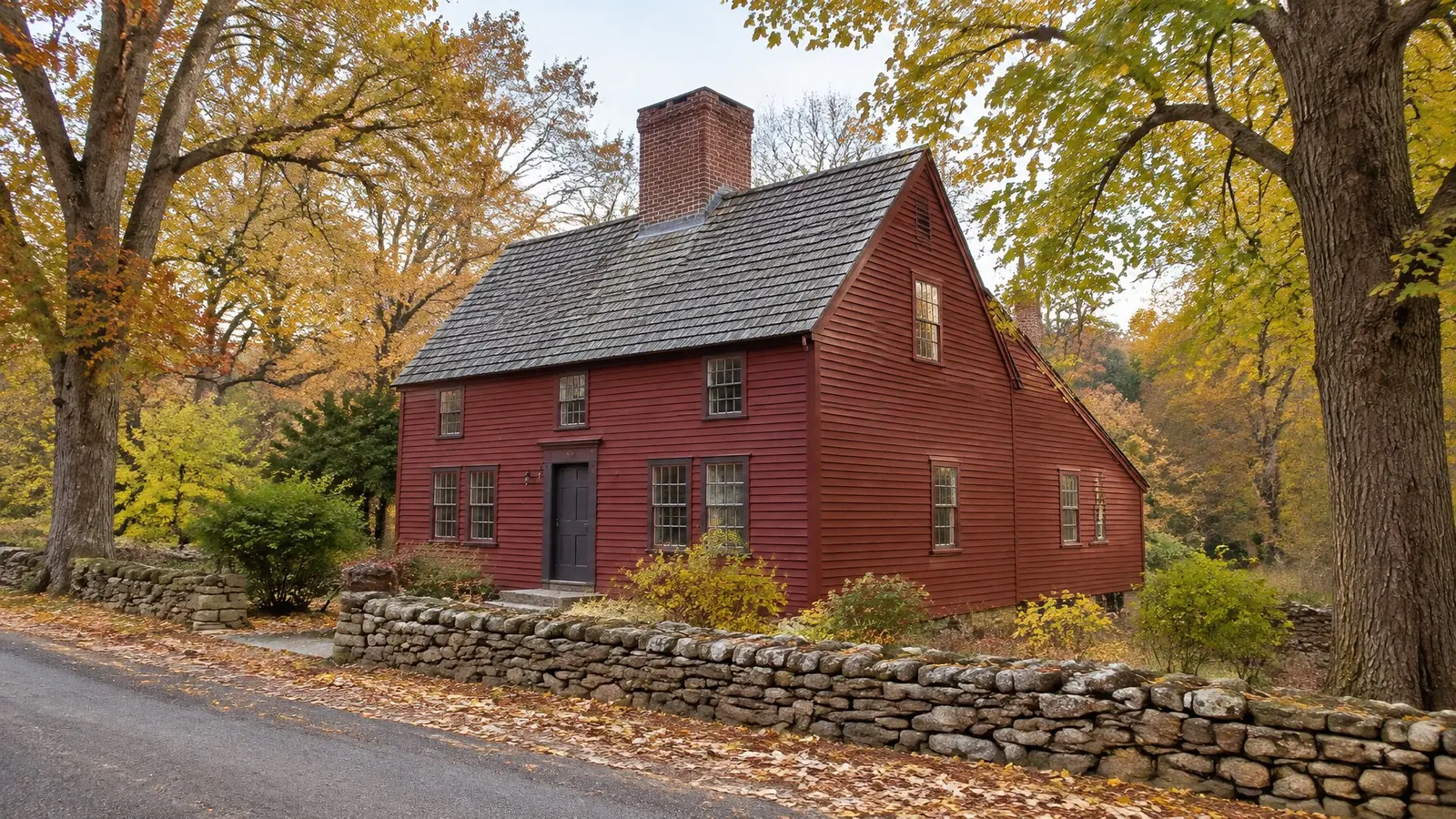
In Norwalk, building permits are issued by the Building & Code Enforcement office, 125 East Avenue, Room 123, (203) 854-7755. The city's roofing, windows and siding permit application is filled in, downloaded and emailed to the department, and it states that permits must be obtained before doing work. The city says these permits do not generally need a Planning & Zoning permit.
The application asks for the property owner, the contractor and the contractor's license number, so a contractor who hesitates to file a permit is a contractor to question.
Checklist
Before work starts
- Registration found on elicense.ct.gov and matching the company you met
- Certificate of liability insurance, and workers' compensation if the company has employees
- Signed written contract with registration number, dates and a cancellation notice
- Permit filed with the building department for your town
- Historic district approval in hand, if your house is in a local district
Ready for a new roof?
Speak with a roofing contractor who works in Norwalk
One call puts you through to an independent roofing contractor serving Norwalk, Westport, Darien, New Canaan and Wilton. Ask for an inspection and a written price for the new roof.
Replacing your roof? Talk it through with a local roofing contractor.
Your call is connected with an independent roofing contractor that takes on roof replacements and new roofs in Norwalk and nearby towns.
Call (855) 365-0164Calls answered Mon–Fri 8:30am–7pm, Sat 9am–4pm ET
Calls may be recorded. Read the referral disclosure and privacy policy.